Emergency Electrician Philadelphia: Complete Repair Guide
Electrical emergencies happen without warning and can leave Philadelphia residents stressed. Knowing common incidents, how to spot them and what to do cuts risk. This guide explains emergency electrical repairs in Philadelphia: how to identify problems, find licensed electricians, estimate costs and keep power during crises. By the end you’ll have practical steps to handle emergencies confidently.
What Are Common Electrical Emergencies in Philadelphia?
Electrical emergencies appear in different ways and need quick action to avoid harm. In Philadelphia, common issues include power outages, electrical fires and faulty wiring. Spotting these problems early helps protect people and property.
How to Identify Electrical Emergencies and Warning Signs
Spotting issues early prevents hazards. Key warning signs include:
- Sparks or Smoke: Any visible sparks or smoke from outlets or appliances indicates a serious issue that requires immediate attention.
- Unusual Smells: A burning or acrid smell can signal overheating wires or electrical components.
- Frequent Breaker Trips: If circuit breakers trip often, it may indicate an overloaded circuit or faulty wiring.
Seeing these signs lets you act fast and call a professional for help. For more information on electrical safety, visit the Electrical Safety Foundation International.
How to Find Licensed Emergency Electricians in Philadelphia?
For emergency repairs, choose a licensed electrician — they understand codes, follow safety standards and have the training to handle urgent work properly.
What Qualifications Define Licensed Electricians in Philadelphia?
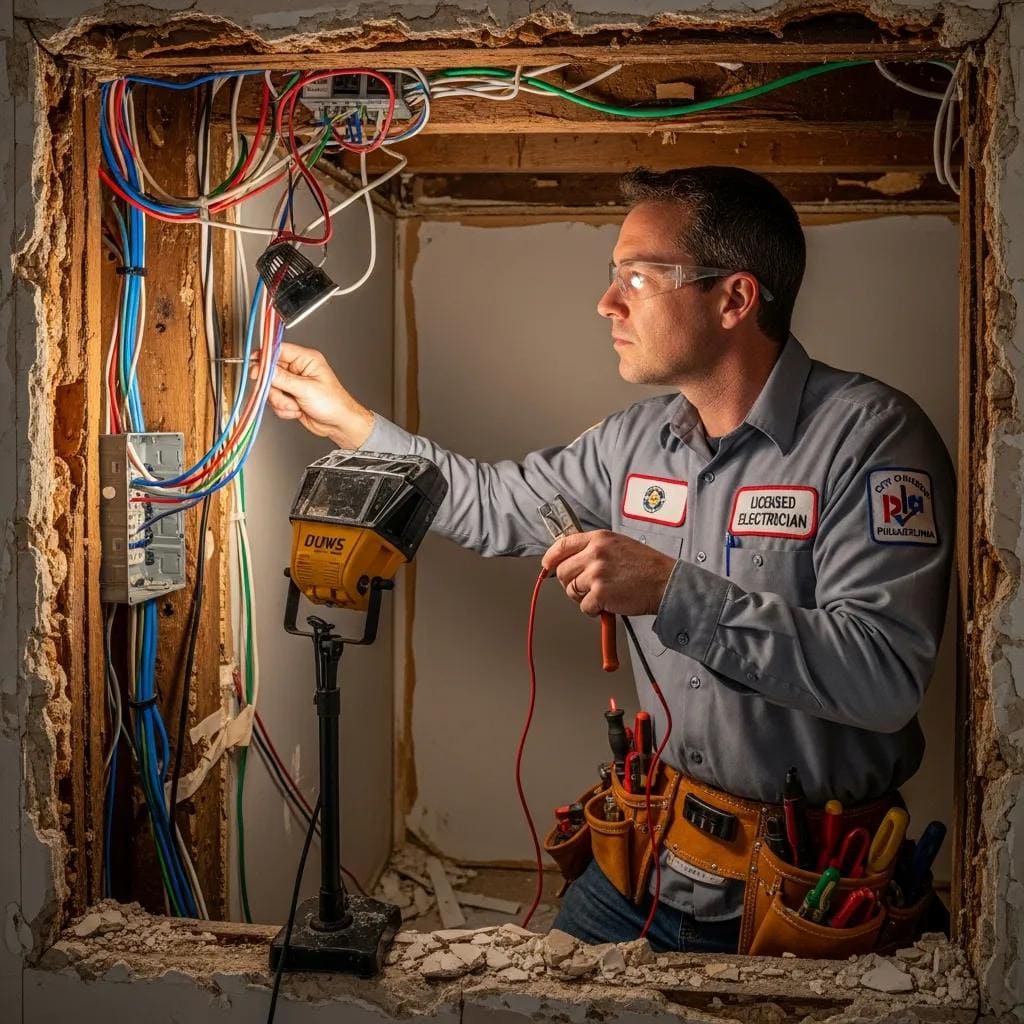
In Philadelphia, licensed electricians should meet these qualifications:
- Licensing Requirements: Electricians must hold a valid state license, demonstrating their knowledge of electrical codes and safety standards. You can verify licenses through the Philadelphia Department of Licenses and Inspections.
- Insurance Coverage: A reputable electrician should carry liability insurance to protect both themselves and their clients.
- Experience and Training: Look for electricians with substantial experience in emergency repairs and relevant training certifications.
These credentials help ensure the electrician can handle emergencies safely.
Where to Locate 24 Hour Electrical Repair Services Near Me?
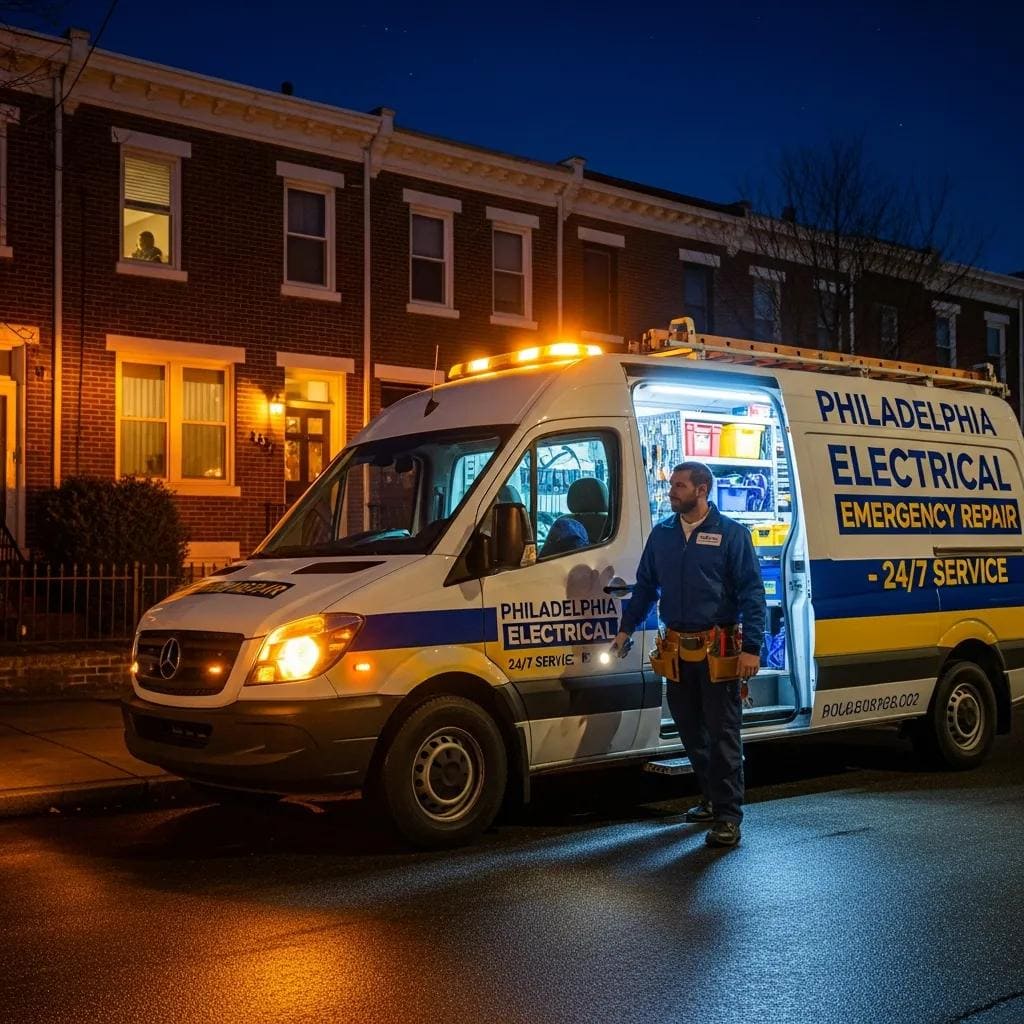
In an emergency you need 24-hour repair options. Find them through:
- Online Directories: Websites that list local electricians often include customer reviews and ratings. Check platforms like Angie’s List or HomeAdvisor.
- Community Recommendations: Asking neighbors or friends for recommendations can lead to trustworthy service providers.
- Contact Information: For immediate assistance, residents can reach out to local services at +1 (267) 231-4605.
Keeping a reliable electrician on speed dial can make a big difference during an emergency.
What Are the Average Costs of Emergency Electrical Repairs in Philadelphia?
Knowing likely costs helps you budget and avoid surprises. Emergency repair prices vary with the issue and how complex the fix is.
Which Factors Influence Electrical Repair Costs in Philadelphia?
Costs depend on several factors, including:
- Type of Service Required: Different emergencies, such as power outages or wiring issues, may have varying costs based on the complexity of the repair.
- Condition of Existing Wiring: Older or damaged wiring may require more extensive repairs, increasing costs.
- Permit and Inspection Requirements: Some repairs may necessitate permits or inspections, adding to the overall expense.
Knowing these factors helps you estimate costs and plan accordingly. For more details on permits, visit the Philadelphia Department of Licenses and Inspections.
How to Compare Emergency Electrical Service Prices Effectively?
To compare emergency service prices, follow these steps:
- Get Multiple Quotes: Contact several electricians to obtain quotes for the same service to ensure competitive pricing.
- Check for Licensing and Insurance: Verify that the electricians are licensed and insured to avoid potential liabilities.
- Read Reviews and Testimonials: Look for feedback from previous customers to gauge the quality of service provided.
These steps help you find reliable service at a fair price.
How Can Philadelphia Residents Ensure Reliable Power Supply During Emergencies?
Keeping power reliable in an emergency protects safety and comfort. You can take proactive steps to prepare for outages.
What Electricity Providers Offer Plans for Emergency Preparedness?
Some Philadelphia providers offer emergency-ready plans, such as:
- Emergency Response Plans: These plans may include priority service restoration during outages.
- Backup Power Options: Some providers offer options for backup generators or battery storage systems.
- Customer Support Services: Access to 24/7 customer support can help residents navigate outages effectively.
Checking these options can give you greater peace of mind during outages. For more information, visit the PECO Energy Company, a major electricity provider in Philadelphia.
How to Use Electricity Plan Comparison Tools for Reliable Service?
You can use plan comparison tools to find reliable providers by:
- Researching Providers: Investigate different electricity providers and their offerings.
- Using Reputable Comparison Sites: Leverage online tools that compare rates and services from various providers, such as PA Power Switch.
- Monitoring Usage and Rates: Keep track of energy consumption and costs to identify the best plans for individual needs.
These tools help you choose the best plan for your household’s needs.
What Safety Tips Should You Follow During Electrical Emergencies in Philadelphia?
Safety is the priority during electrical emergencies. Knowing how to respond reduces injury and further damage.
How to Stay Safe While Waiting for Emergency Electrical Repairs?
While you wait for repairs, follow these safety steps:
- Turn Off Power if Safe: If it is safe to do so, turn off the power at the main breaker to prevent further hazards.
- Keep People and Pets Away: Ensure that everyone, including pets, stays away from affected areas to avoid accidents.
- Avoid Using Water on Electrical Fires: Never use water to extinguish electrical fires; instead, use a fire extinguisher rated for electrical fires.
These precautions keep you safe until professionals arrive. For more safety tips, visit the National Fire Protection Association.
What Are Preventative Measures to Avoid Electrical Emergencies?
Preventative steps cut the risk of emergencies. Consider:
- Regular Maintenance: Schedule routine inspections of electrical systems to identify potential issues before they escalate.
- Upgrade Old Wiring: Replace outdated wiring to meet current safety standards and reduce fire risks.
- Educate Household Members: Ensure that everyone in the household understands basic electrical safety practices.
Taking these measures helps keep your home’s electrical system safe.
Effective preparedness goes beyond quick fixes; it requires household and community resilience.
Household Emergency Preparedness & Community Resilience
Global disaster-risk policies highlight individual and community responsibilities in reducing risk and improving coping capacity. This review of 15 years of literature shows preparedness is complex and shaped by factors like health, self-efficacy, community support and the nature of the emergency. People need sufficient knowledge, motivation and resources to prepare, and social networks are a key resource for resilience. The literature highlights a gap: a need for evidence-based strategies to address preparedness challenges, especially how social capital can build individual and community capacity in emergencies.
Household emergency preparedness: a literature review, 2012
Frequently Asked Questions
What should I do if I experience an electrical emergency at night?
If you face an electrical emergency at night, put safety first. If you see sparks, smoke or strange smells, evacuate immediately and call emergency services. Do not try to fix it yourself. Call a licensed 24-hour electrician. Keep local electrician numbers handy and make sure everyone knows exit routes and emergency contacts.
How can I prepare my home for potential electrical emergencies?
Prepare by scheduling regular inspections of your electrical system, upgrading old wiring, and installing surge protectors. Create an emergency plan with contact details for local electricians and services. Teach household members how to shut off the main power and follow basic electrical safety steps.
Are there specific electrical codes I should be aware of in Philadelphia?
Yes. Philadelphia enforces electrical codes for safe installation and maintenance. Hire licensed electricians familiar with local codes to avoid fines and ensure work meets standards. For details, consult the Philadelphia Department of Licenses and Inspections.
What types of insurance should I consider for electrical emergencies?
Consider homeowners insurance that covers electrical damage from fires or system failures. Also confirm that any electrician you hire carries liability insurance. Review your policy with an agent to understand coverages and make adjustments if needed.
How can I identify a reliable emergency electrician?
Check an electrician’s license and insurance, read customer reviews and ask for referrals from friends or family. Choose electricians who give clear estimates and explain the work. A reliable electrician prioritizes safety and customer satisfaction.
What are the common causes of electrical fires in homes?
Common causes include faulty wiring, overloaded circuits and damaged appliances. Improper use of extension cords and poor maintenance also contribute. To reduce risk, keep wiring up to code, avoid overloading outlets, inspect appliances and teach household safety.
What should I do if my power goes out unexpectedly?
If power goes out, first check whether it is just your home or a wider outage. Inspect breakers or fuses and reset them if it is safe. If the outage continues, contact your electricity provider. Use flashlights instead of candles, and call a licensed electrician if you suspect an electrical fault.
Conclusion
Knowing how to handle electrical emergencies in Philadelphia helps you act quickly and safely. By spotting warning signs, hiring ALB Electric qualified electricians and preparing for outages, you reduce risk and protect your home. Use available resources and connect with local professionals for added reassurance. Stay informed and ready to handle electrical issues.